Building an Airplane, Building Futures
PVUSD CTE Program Completes Landmark First Year
Pajaro Valley Unified School District’s Engineering Design: Flight, Aerospace, Systems, and Technology (FAST) Aircraft Build CTE pathway has successfully completed its first year, marking an important milestone for a first-of-its-kind Career Technical Education (CTE) pathway in the region. The program demonstrates how education, industry, and community partners can work together to create pathways and prepare students for careers in aerospace, engineering, and advanced manufacturing.
Developed through a partnership between Pajaro Valley Unified School District (PVUSD) and DART, the program reflects a shared commitment to expanding hands-on STEM education and building dynamic K–16 aviation and emerging technology workforce pathways. With DART providing the foundational support and original concept, and PVUSD bringing its strong culture of Career Technical Education, institutional commitment, and longstanding dedication to creating innovative, future-ready opportunities for its students, the partnership has created a unique learning experience where students build a full-scale Van’s RV-12iS aircraft.
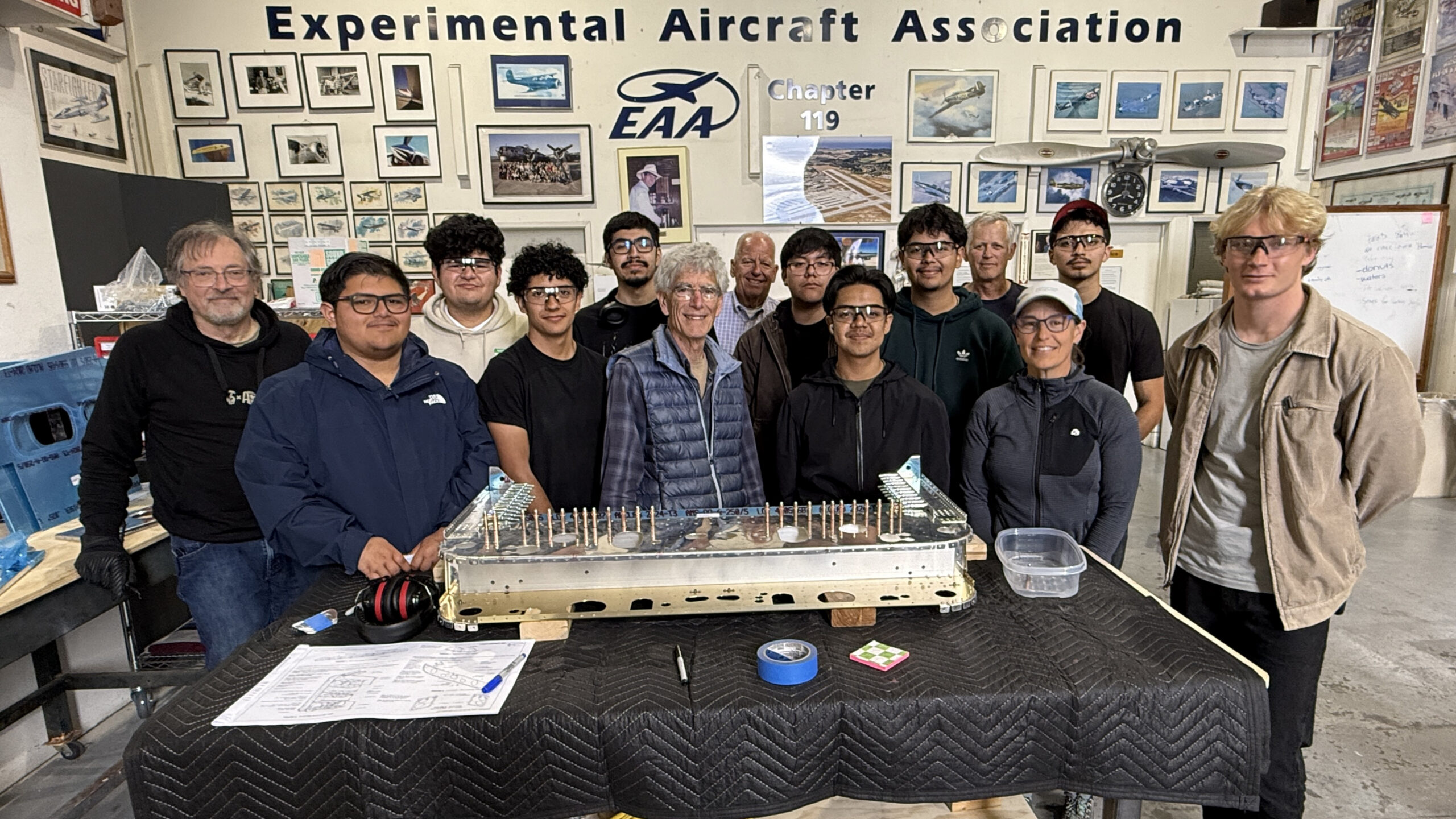
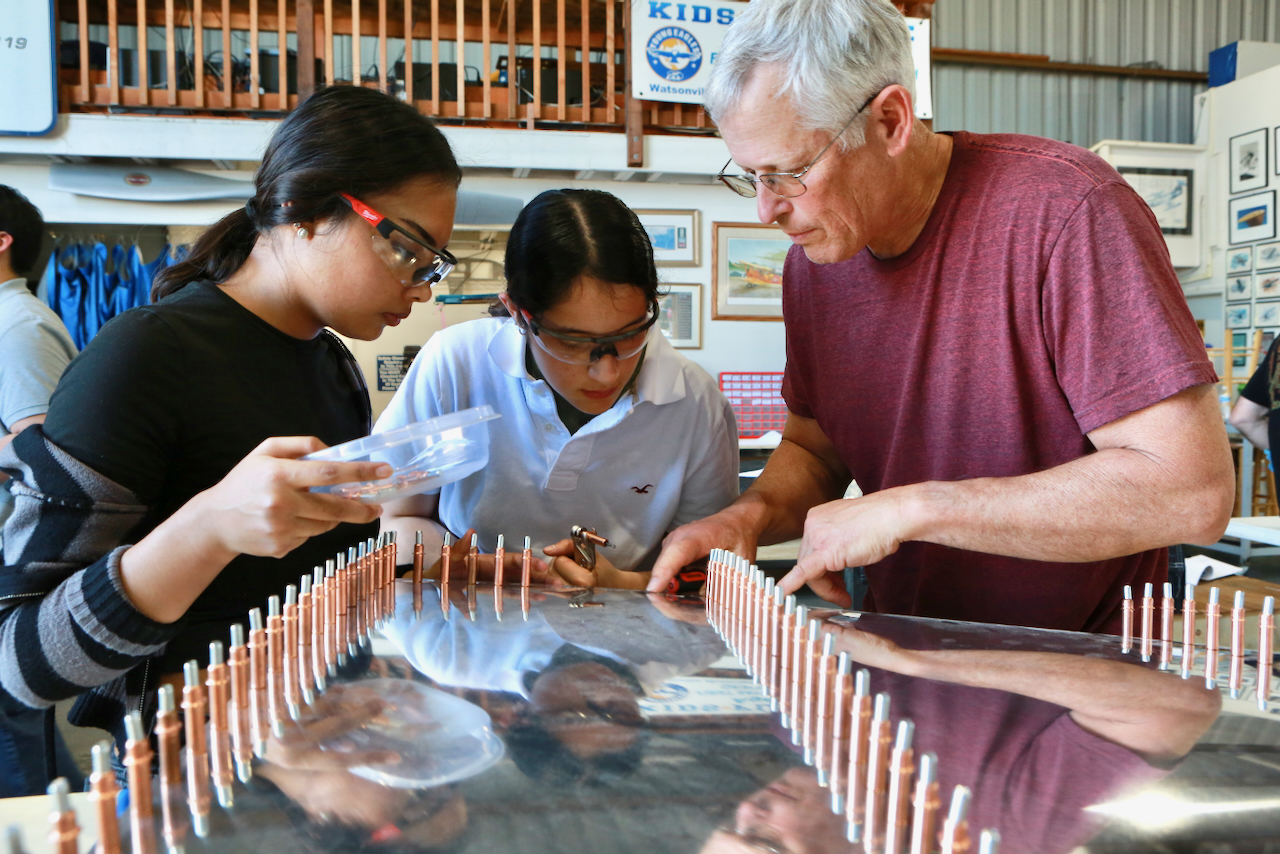
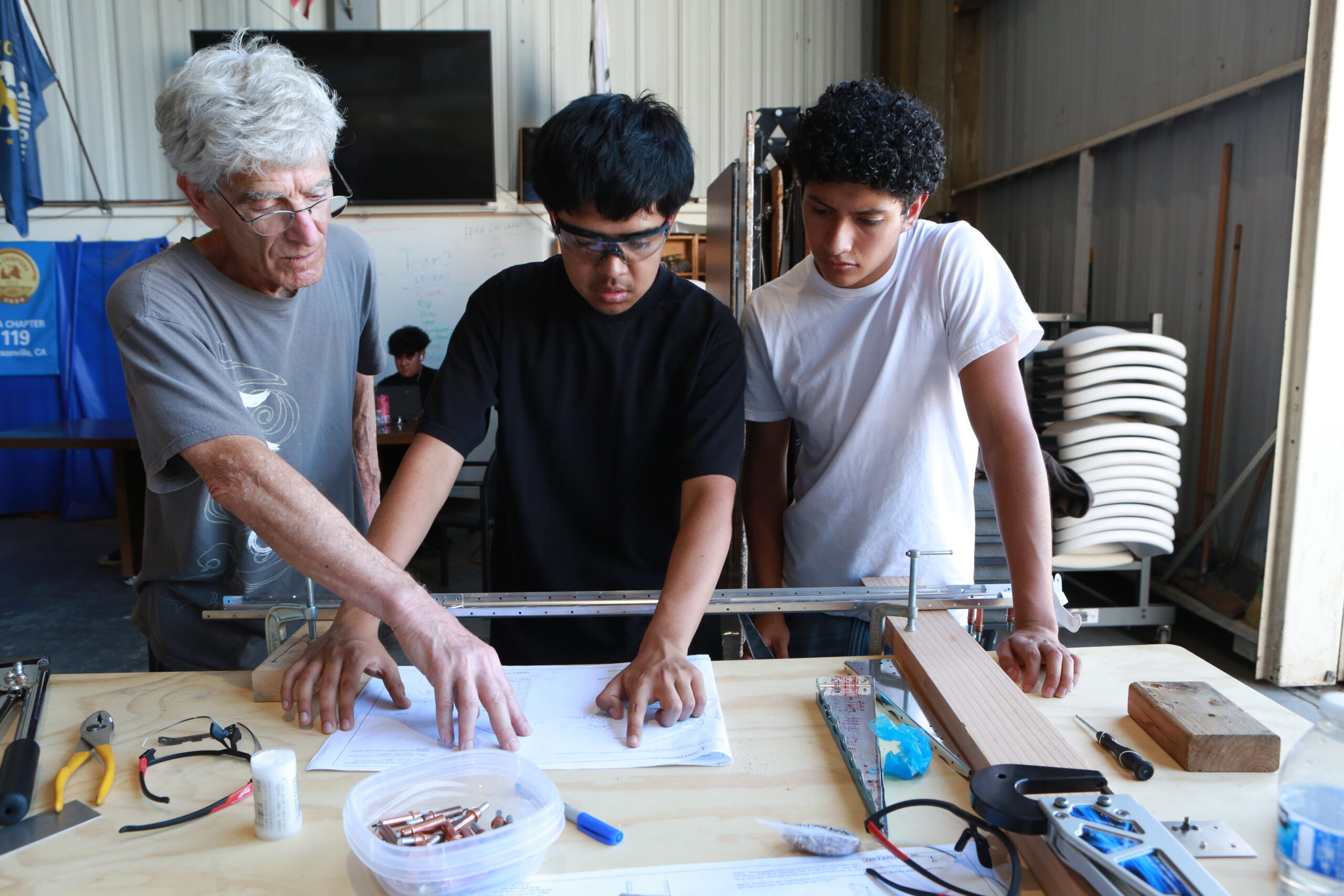
Twenty-one students completed the program’s first year, splitting their time between aerospace engineering coursework at Pajaro Valley High School and aircraft assembly at Watsonville Municipal Airport. Throughout the year, students studied aerodynamics, aircraft structures, flight controls, engineering principles, aviation safety, and manufacturing practices while gaining experience interpreting engineering drawings, using aviation-specific tools, riveting aircraft structures, conducting quality inspections, and following the same industry-standard procedures used by aircraft manufacturers and maintenance professionals.
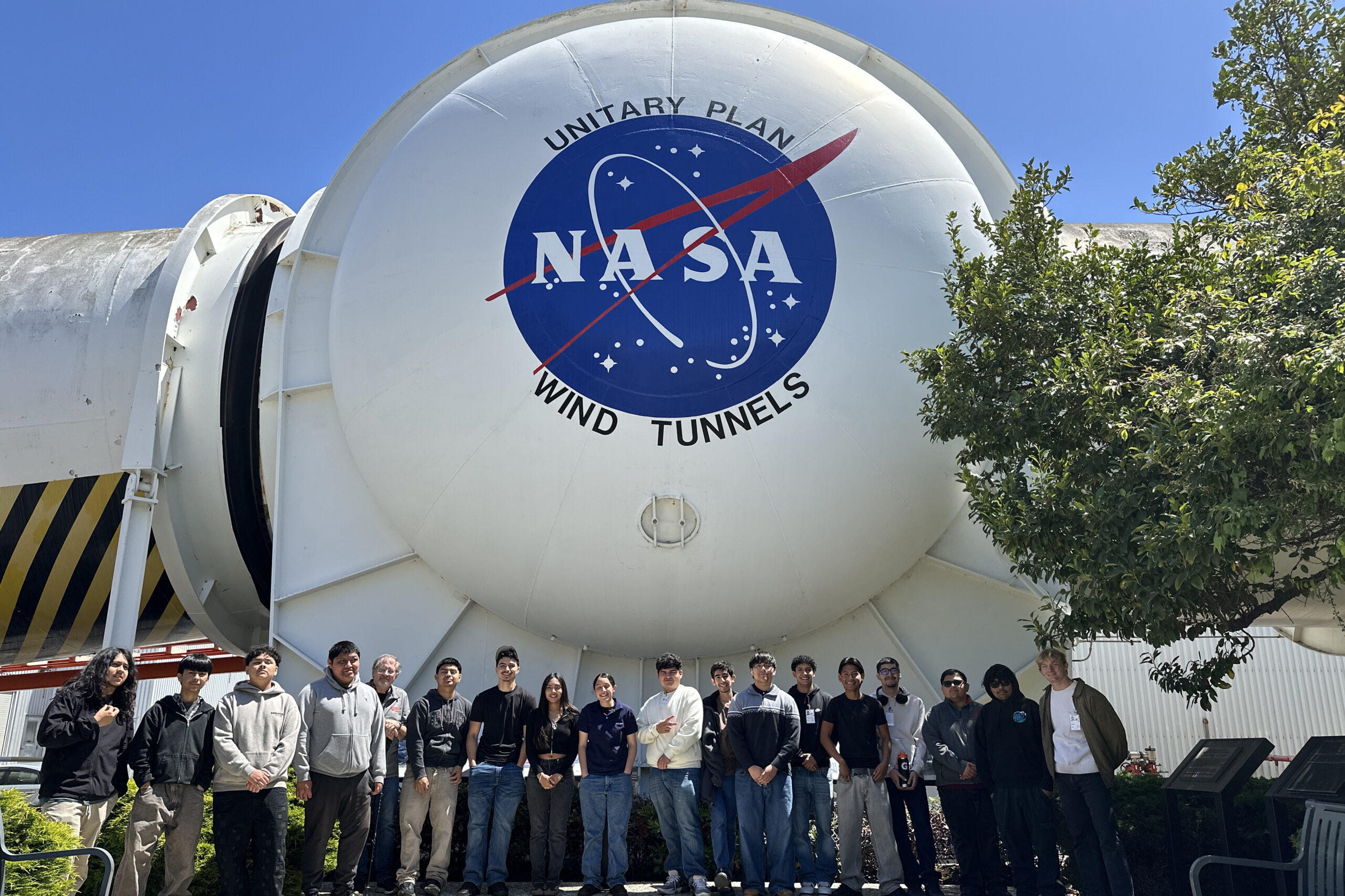
Learning extended further beyond the classroom and airport hangar. Students toured NASA Ames Research Center’s wind tunnel facilities and Joby Aviation’s manufacturing campus, connecting their learning to cutting-edge aerospace research and advanced aircraft production. They also completed career readiness activities, including résumé development, labor market exploration, and mock interviews, while strengthening leadership, communication, teamwork, and problem-solving skills throughout the year.
At this midpoint in the two-year program, the aircraft is still under construction, yet the program’s impact is already evident. The FAST Aircraft Build course has quickly become a regional showcase for innovative workforce education. Students welcomed educators, workforce organizations, industry leaders, and community members to the hangar, hosted PVUSD’s CTE Stakeholder Advisory meeting, and were featured by KSBW, the Santa Cruz Sentinel, and The Pajaronian.
A highlight was the student-led Open House, where students demonstrated aircraft construction techniques and invited visitors to experience the project firsthand, even installing aircraft rivets under the guidance of volunteer mentors. The event showcased not only the progress of the aircraft, but also the remarkable growth of the students themselves. Their confidence, professionalism, technical abilities, and commitment to safety were on full display for families, community members, and local leaders, including Watsonville City Manager Tamara Vides and PVUSD Superintendent Dr. Heather Contreras.
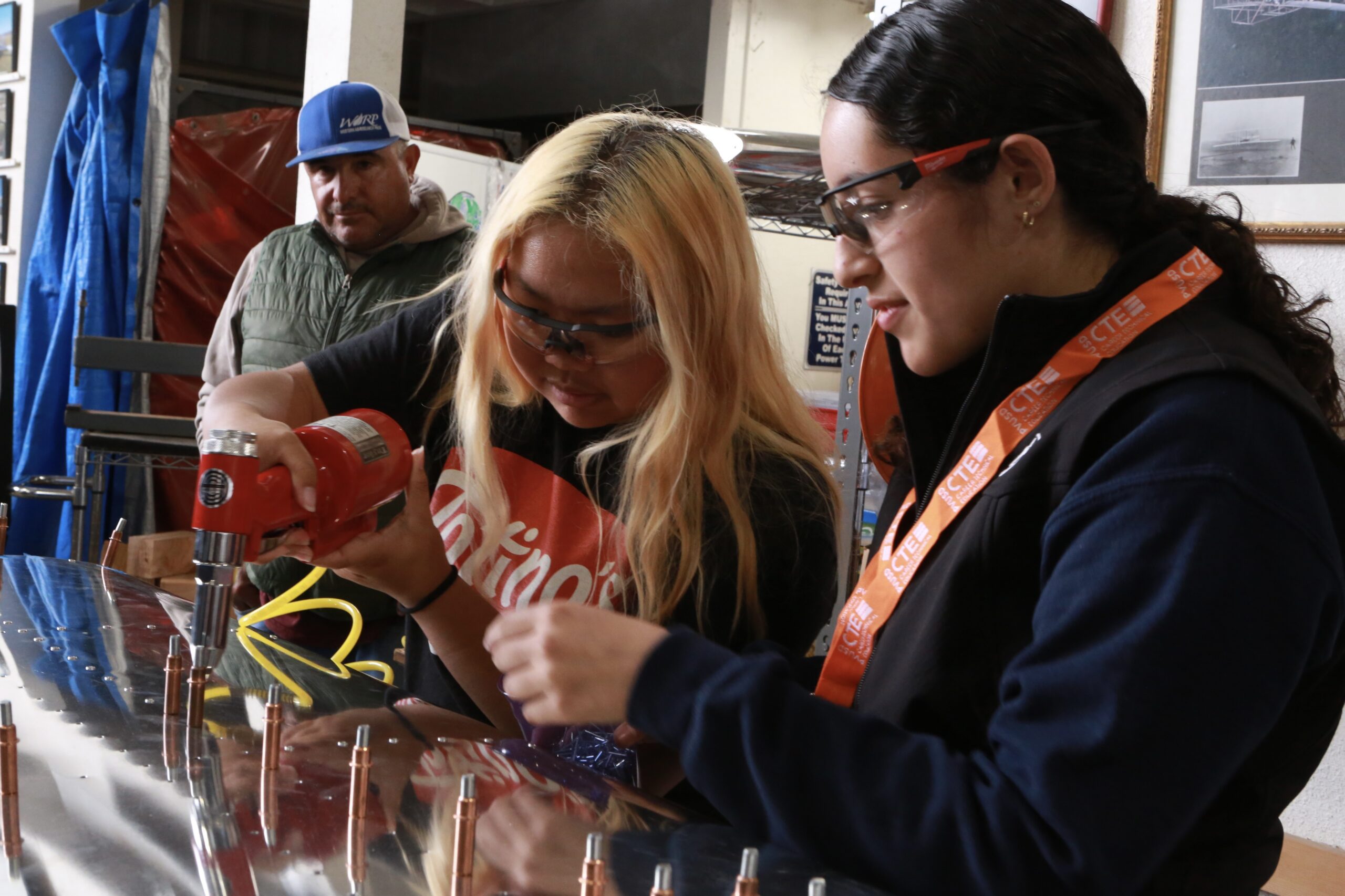
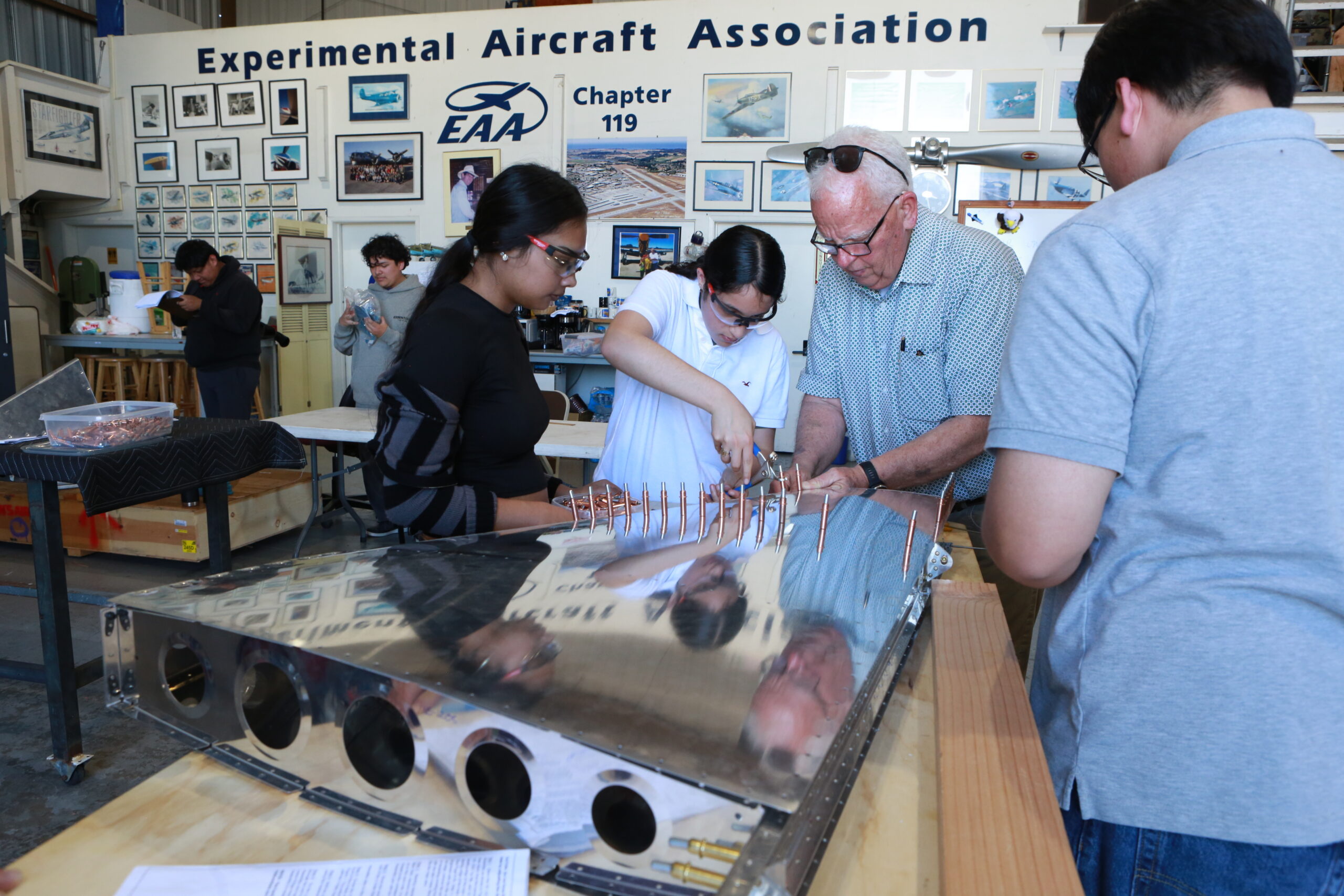
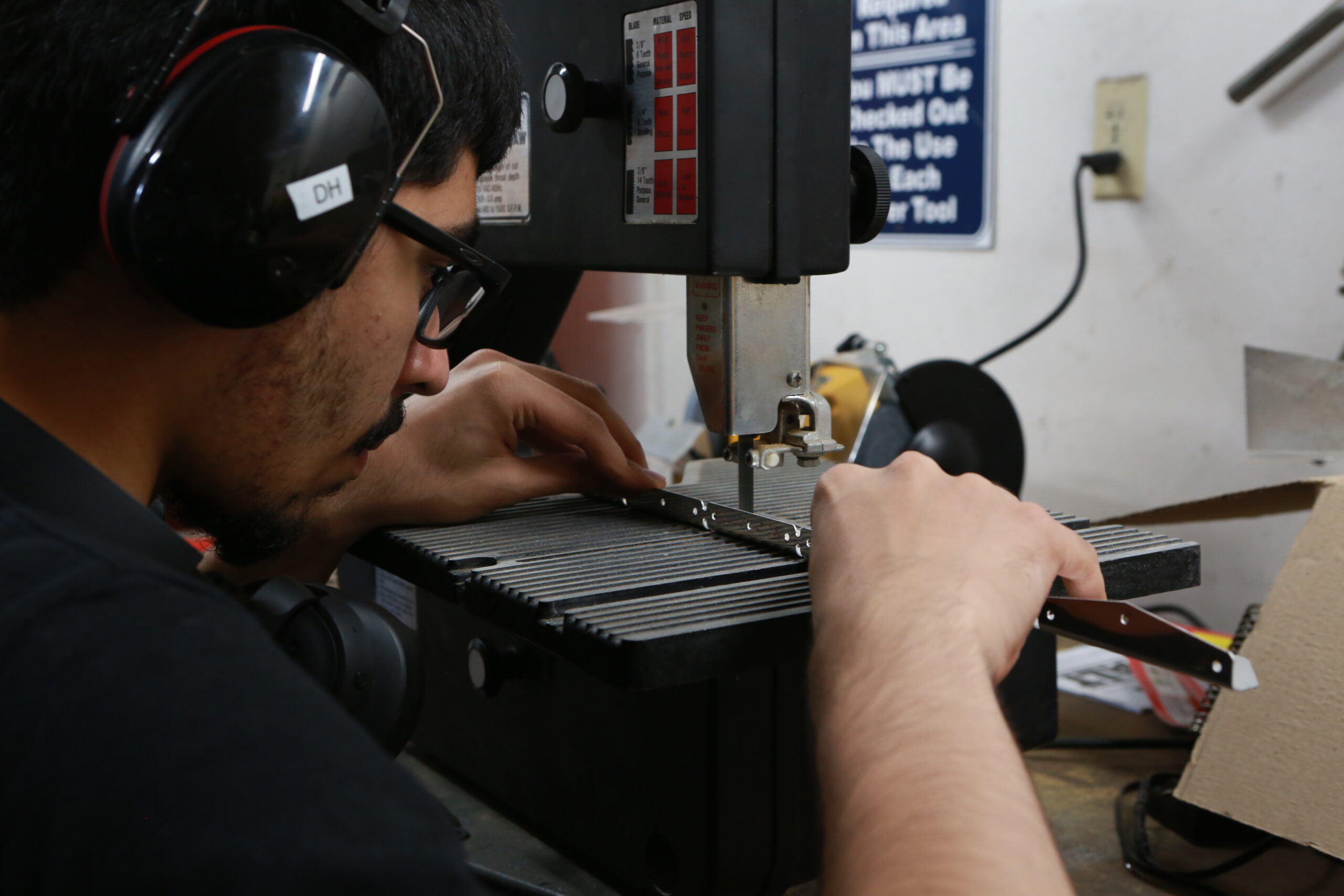
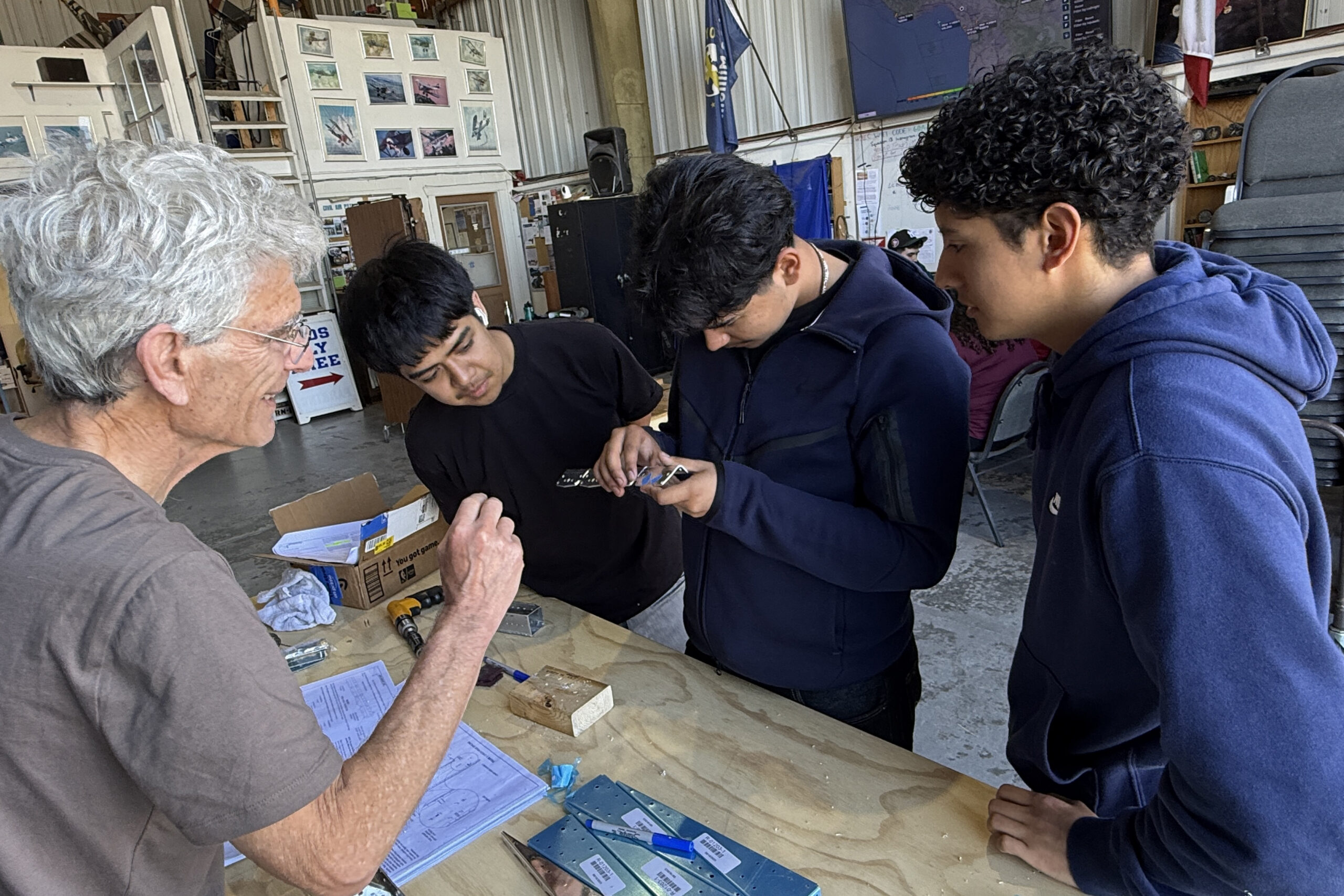
By the end of the school year, students had completed the aircraft’s vertical stabilizer, rudder, anti-servo tab, stabilator, and fuselage center section, marking significant milestones in the construction of the RV-12iS. Construction will continue next year with the fuselage, wings, flight controls, avionics, and engine installation, giving students an even deeper understanding of aircraft systems and engineering. Several students have already extended their learning through SkyLab and Summer Ag Robotics internships, demonstrating the program’s ability to inspire continued exploration of STEM careers beyond the classroom.
The FAST Aircraft Build CTE pathway reflects what is possible when schools, industry, philanthropy, and community organizations work toward a shared vision. Not least of which has been the extraordinary dedication of volunteer mentors from EAA Chapter 119 and the local aviation community, whose countless hours of instruction, encouragement, and hands-on guidance have extended learning far beyond the classroom. Together with Watsonville Municipal Airport, the City of Watsonville, TangoFlight, Joby Aviation, the James Irvine Foundation, and numerous regional partners, they have helped create a workforce pathway that benefits both students and the broader community.
Emerging from its success at PVUSD, the program also provides a model that DART and its partners can expand to additional high schools throughout the Monterey Bay region, across California, and beyond. As California’s aviation and aerospace industries continue to grow, including the emergence of Advanced Air Mobility and the expansion of electric aircraft manufacturing across the region, the demand for a highly skilled workforce will only increase. By connecting K–12 education with industry, postsecondary education, apprenticeships, and employment, initiatives like FAST help ensure that communities are not only prepared to participate in the industries of the future, but are positioned to lead them through a skilled workforce, stronger regional economies, and expanded opportunity for generations to come.